Hall County Magistrate Court serves as a vital pillar of the local judicial system, providing essential court services to residents and businesses throughout Northeast Georgia. Often known for its accessibility, this court handles a wide array of civil and criminal matters, ranging from small claims disputes to the initial stages of more complex legal proceedings. By offering a forum for individuals to represent themselves, the court ensures that justice is attainable for all citizens without the mandatory need for high-cost legal counsel. Understanding the functions of this court is crucial for anyone involved in landlord-tenant disputes, ordinance violations, or preliminary hearings. As a cornerstone of the Gainesville legal community, it maintains a high standard of efficiency and transparency for every litigant who enters its doors. Through its various divisions, the court manages thousands of filings annually, ensuring that local disputes are resolved in a timely and professional manner.
Hall County Magistrate Court Case Information is readily available to the public to ensure transparency and allow parties to track their ongoing legal matters effectively. Accessing magistrate court records has become increasingly convenient through digital portals and the Clerk of Court’s office, providing real-time updates on filings and judgments. These public court records serve as an important resource for legal professionals and individuals who need to verify the status of court case information regarding specific hearings or local warrants. Whether you are searching for past rulings or current docket schedules, the availability of these records promotes a more informed and engaged community. By utilizing these tools, residents can stay updated on the progress of their cases and prepare adequately for their scheduled court appearances. This commitment to information accessibility helps streamline the judicial process for everyone involved while upholding the integrity of the Hall County justice system.
Search Hall County Magistrate Court Cases Online
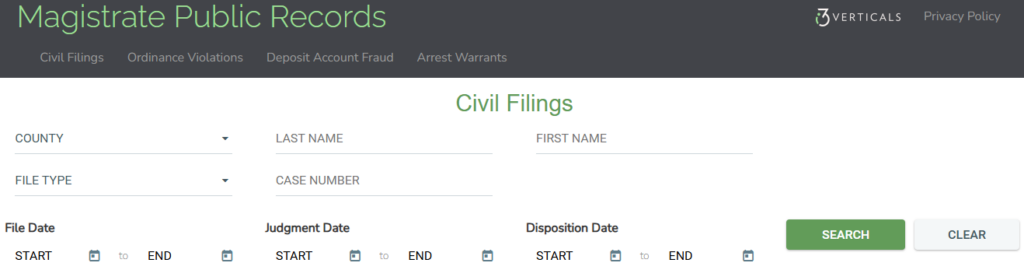
Hall County Magistrate Court civil records can be searched through the official Magistrate Public Records system. The search portal allows users to locate court records using case numbers, party names, file types, and date-based search filters.
Official Search Tool: https://docket.hallcourts.com/
Access the Online Search System
The Hall County Magistrate Public Records portal provides public access to civil filing records maintained by the Magistrate Court. Users can search available court records through the Civil Filings section by entering specific search criteria. The system, which serves as an important resource for accessing Hall County Court records, includes multiple search fields that help narrow results and locate records more efficiently within the court database.
Steps to Start a Search:
- Visit https://docket.hallcourts.com/
- Open the Magistrate Public Records section.
- Select Civil Filings.
- Wait for the search form to load.
- Enter available search information.
- Click Search to view results.
Search by Case Number
The Case Number field provides the most direct way to locate a court record. Every civil filing receives a unique case identifier when it is entered into the court system. Entering a complete case number usually returns the exact record, making this search method the fastest and most accurate option available.
How to Search by Case Number:
- Locate the Case Number field.
- Enter the full case number.
- Verify the number for accuracy.
- Click Search.
- Review the matching record.
Search by Party Name
The Party Name search feature helps users find records when a case number is unavailable. The tool contains separate Last Name and First Name fields that can be used to locate parties involved in civil court proceedings. Entering both names usually provides more precise results than using a single search field.
Available Name Fields:
- Last Name
- First Name
Search Process:
- Enter the person’s last name.
- Enter the first name if known.
- Click Search.
- Review matching cases.
- Open the correct record.
Search by Filing Date
The File Date search option helps users locate cases filed during a specific period. The tool includes both start and end date fields, allowing searches across a selected date range. This method is useful for researching court activity, locating recent filings, or reviewing records from a particular timeframe.
File Date Search Steps:
- Select a File Date Start.
- Select a File Date End.
- Leave other fields blank if needed.
- Click Search.
- Review cases filed within that period.
Viewing Available Court Records
After a search is submitted, the system displays records that match the entered criteria. Users can review available court information directly from the results page. The amount of information displayed depends on the record type and public access rules established by the court system.
Information Commonly Available:
- Case Number
- Party Names
- Filing Date
- File Type
- Judgment Date
- Disposition Date
- Case Status
- Court Activity
What Search Results Show
Search results provide a summary of information associated with each court record. Users should carefully compare names, dates, and case numbers before selecting a record. Reviewing these details helps identify the correct case and reduces confusion when multiple results appear within the search database.
Fields Commonly Displayed in Results:
- Case Number
- Plaintiff Information
- Defendant Information
- Filing Date
- Judgment Date
- Disposition Date
- Case Status
- Civil Filing Category
Small Claims Court in Hall County
Small claims court provides a way for people to resolve financial disagreements without hiring a lawyer. This part of the local justice system handles minor legal issues through a quick and affordable process. While Juvenile Court focuses on cases involving minors, family-related matters, and youth offenses, small claims court helps individuals and businesses settle low-value financial disputes in a simplified legal setting. It is commonly used for matters such as unpaid debts, property damage, security deposit disagreements, and contract-related claims. The process is designed to be faster, less formal, and more cost-effective than traditional court proceedings.
What Is Small Claims Court?
Small claims court acts as a special place where people solve private conflicts involving small amounts of money. This court division helps residents settle debts or property damage issues without using complex legal rules. Since the rules remain simple, most people choose to represent themselves instead of paying for professional legal help. The judge listens to both sides and makes a fair decision based on the evidence provided. This setup keeps the legal system open to every resident who needs to settle a minor dispute quickly and fairly.
Monetary Limits for Claims
Hall County restricts the total amount of money a person can seek in this court. The current legal limit for these cases sits at exactly $15,000 for any single claim. If a debt exceeds this fixed cap, the case belongs in a higher court. Many people decide to lower their total demand just to keep the process simple and fast here. This cap applies to various situations like unpaid rent, car accidents, or broken business contracts. Keeping the dollar amount within this range helps the case move forward correctly.
| Claim Category | Maximum Limit |
| Civil Disputes | $15,000 |
| Money Claims | $15,000 |
| Personal Property | $15,000 |
| Unpaid Contracts | $15,000 |
Filing a Small Claims Case
To start the process, the plaintiff must fill out a formal statement of claim at the clerk’s office. This document lists the exact amount of money owed and describes the reason for the debt. The person filing must pay a small fee to cover the costs of the legal paperwork. Providing a current address for the defendant remains a requirement so the court can send legal notices. Once the paperwork is complete, the clerk assigns a case number and sets a date for the hearing.
- Visit the Clerk’s office in Gainesville.
- Pay the required filing fee at the window.
- Provide the correct mailing address for the other party.
- Submit all supporting evidence like bills or contracts.
Defendant Response Process
After a deputy serves the papers, the defendant has 30 days to file a written answer with the court. This response allows the person being sued to tell their side of the story. If no response arrives within that time frame, the judge usually grants an automatic win to the other side. The person being sued can file a counterclaim if they believe they are the one owed money. This step makes certain both sides have a fair chance to present their facts before a trial happens.
Court Hearings and Judgments
During the hearing, both parties present their proof to a judge who then decides the outcome. People bring receipts, photos, and messages to support their claims. They speak under oath during this time. After listening to everyone, the judge signs a final court judgment that states who wins the case. This legal document creates a formal record of the debt and the court’s decision. If the judge rules in favor of the plaintiff, the defendant must pay the amount listed in the ruling.
Civil Disputes Handled by the Magistrate Court
The Magistrate Court manages common legal disagreements between people or businesses involving limited money amounts. These cases offer a faster way to settle arguments without the high cost of higher courts. This local court focuses on fairness and speed for regular citizens. It handles cases worth up to a specific dollar limit set by the state. Most people represent themselves here as the rules stay simple and direct.
Landlord-Tenant Disputes
Many local cases involve rental disagreements where owners and renters argue over money or building rules. Instead of waiting months, owners file to remove people for missing payments. Yet, renters file to get back security deposits or fix broken pipes. These civil disputes move quickly to keep housing stable for everyone. Next, the judge looks at lease papers and photos to reach a fair choice. This dispute resolution method avoids the high costs of bigger courts and protects legal rights. In fact, most cases finish within weeks.
- Eviction filings for non-payment.
- Security deposit recovery requests.
- Property maintenance and repair issues.
Property Damage Claims
People seek monetary damages when someone breaks their car or harms their house. These legal claims focus on the actual cost to fix the item or replace it. For example, a neighbor might knock down a fence during a storm. If they refuse to pay for it, the owner takes the matter to a judge. Then, the court reviews repair bills and pictures of the mess. Since most people represent themselves, the process stays simple. So, judges decide how much cash the victim deserves for their loss.
- Car repair costs from minor accidents.
- Home damage from fallen trees or neighbors.
- Broken electronics or personal items.
Contract Disputes
Contract disagreements happen when a person pays for work that never gets done correctly. Maybe a painter left after doing only half the kitchen. Or perhaps a client refuses to pay a freelancer for a finished website. These civil disputes rely on proof like text messages, emails, or signed papers. So, the court acts as a neutral spot to settle these money fights. Now, people get a chance to show their evidence and explain the deal. This helps local businesses stay honest and keeps the economy moving forward.
- Unfinished home renovation repairs.
- Service payment failures for hired labor.
- Broken payment plans for bought goods.
Collection Cases
Debt collectors and small businesses use this court to get money back from unpaid bills. These legal claims cover things like store credit or personal loans. If a person borrows cash but never pays it back, the lender asks the judge for help. Then, the court checks bank records and payment logs to see what stays owed. So, the rules stay easy to follow and folks don’t need expensive law help. Actually, this system makes sure people fulfill their financial promises without causing stress. Still, the process remains fair.
| Dispute Category | Common Monetary Limit | Typical Evidence Used |
| Rental Issues | Under $15,000 | Lease Agreements |
| Property Damage | Repair Costs | Dated Photos |
| Service Contracts | Job Value | Text Messages |
| Debt Collection | Total Owed | Bank Statements |
- Unpaid medical or utility bills.
- Private loan recovery between friends.
- Small business invoice collections.
Warrants and Criminal-Related Magistrate Court Proceedings
Magistrate courts manage the first steps of criminal cases by reviewing evidence and issuing legal orders. These actions help police follow the law and protect public safety. The court acts as a gatekeeper for the justice system. It reviews facts before anyone loses their freedom or privacy. This system keeps the community safe by following clear rules for every case.
Arrest Warrants
Judges issue warrants after police show enough evidence that a person likely committed a crime. This judicial authorization protects the rights of people from random arrests by police. So, a person stays free until a neutral judge reviews the facts of the case. These legal orders tell officers to take the person into custody for specific charges. Then, the court tracks the case to move toward a fair trial. The legal system would fail to keep people safe without this step. In fact, this protects the innocent from mistakes.
- Review of probable cause by a judge.
- Identification of specific criminal charges.
- Official command for law enforcement to act.
Search Warrants
Police need special permission to enter private homes and look for evidence in criminal proceedings. A magistrate reviews the request to see if it meets legal standards before signing the paper. This process stops law enforcement from searching places without a valid reason. So, officers must list the exact house or car they want to check. They must describe the items they expect to find, like stolen goods or weapons. This step keeps the balance between police work and personal privacy. It protects homeowners from unfair entries or property damage.
- Identification of specific search locations.
- Detailed list of sought evidence.
- Legal protection for private property rights.
Warrant Applications
Private citizens or police officers attend warrant hearings to ask for a legal arrest order. During these meetings, the person gives a statement under oath about what happened. So, the judge listens to the facts to decide if a crime took place. This system prevents people from using the law to settle personal scores without proof. If the judge finds enough cause, they sign the paperwork to start the official process. This keeps the community safe as only valid cases move forward. It maintains fairness for everyone involved in the dispute.
- Sworn testimony from witnesses or victims.
- Evaluation of evidence by a neutral judge.
- Prevention of false or petty legal claims.
Initial Court Appearances
After an arrest, the person goes before a judge for their first meeting in the court system. This event happens quickly, usually within 48 hours of the police taking them into custody. The judge reads the charges and explains the legal rights the person holds. Then, they decide on bail or bond amounts based on the risk to the public. These criminal proceedings set the stage for the rest of the trial. So, the court makes sure every person gets a fair start. This helps maintain justice while the case moves to higher courts.
- Formal reading of the accused crimes.
- Determination of bail or bond conditions.
- Appointment of legal help if needed.
Preliminary Hearings in Hall County Magistrate Court
Preliminary hearings act as a legal filter to check if the state has enough proof to keep a case going. These sessions prevent people from facing long trials when the evidence is too weak to stand. The court focuses on the facts of the arrest rather than final guilt. This step occurs early in the process for most felony charges to protect civil rights. Judges listen to witness stories to decide the next steps for the accused.
Purpose of Preliminary Hearings
Legal teams use these sessions to verify that the police followed the rules during an investigation. This judicial process stops the state from holding someone for a long time without a clear reason. Since the court reviews the case early, it saves the county money and time. This step protects the rights of regular people against mistakes or false claims. So, the judge acts as a shield between the state and the person. The main goal remains keeping the legal system fair for every person involved.
What Happens During a Hearing
The prosecutor calls a witness to the stand to tell the story of the crime. This witness usually is a police officer who worked on the actual case. Then, the defense lawyer gets a chance to ask questions to find any errors in the testimony. This court hearing stays focused on the facts rather than long speeches. So, the judge listens carefully to every detail shared by the people in the room. This direct talk helps the court see the truth behind the paperwork quickly and clearly for everyone.
Evidence Review Process
Judges look for probable cause during this certain part of the criminal case review. This means they decide if a crime likely happened and if the suspect was the one who did it. The state does not need to prove the case beyond a doubt yet. Instead, they show enough proof to move the matter to a higher court. So, police officers bring photos or statements to support their claims. This review makes sure that only strong cases move forward to a trial soon. It protects people from baseless charges.
Possible Outcomes
The judge chooses the next step for the case after hearing all the facts presented. If the proof is strong, the case moves to the Superior Court for a final trial. Yet, the judge dismisses all charges if the state fails to show enough evidence. Sometimes, the court lowers the charges to a smaller crime to finish the matter faster. This result helps people get back to their lives if the police made a mistake. So, the system remains balanced and works for everyone involved in the legal process.
Filing a Case in Hall County Magistrate Court
Starting a lawsuit in Hall County involves filling out paperwork and paying a fee to the clerk. This process opens a path for people to recover money or property through the local legal system. The court handles many types of small disputes for local residents and businesses. Most people start this process when someone owes them money but refuses to pay it back.
Required Documents
To file a magistrate court case, people must submit a statement of claim and a summons. These court forms provide details about who is suing and why they want money. Plaintiffs must provide the correct name and address for the person they are suing. If the address stays wrong, the case cannot move forward. So, people should bring copies of contracts or receipts for the paperwork. This legal filing starts the official process. These papers tell the court the exact amount of money owed. Plus, the clerk keeps a copy for the record.
Filing Fees
Paying the correct money allows the clerk to process the case immediately. These filing requirements vary based on how many people the plaintiff sues. For instance, the cost goes up if the sheriff visits multiple locations. People pay at the clerk’s office using cash or cards. Then, the court uses these funds for staff and officers. So, the case stays inactive until the person pays the full price. This keeps the office running for the public and handles every legal filing fairly. In fact, fees usually start around one hundred dollars.
- Sheriff service for one defendant.
- Process server fees for out-of-county cases.
- Certified mail costs for some notices.
Service of Process
A sheriff or a private server must deliver the court papers to the other side. This part of the court procedures makes sure the defendant knows about the lawsuit. Without this step, the judge cannot make a legal choice. So, the server finds the person at home or work to hand over the files. This protects the rights of the person being sued. Once the server finishes, they tell the court the date of delivery. Then, the record reflects that the task is complete. Actually, this is a major step after filing the paperwork.
Court Deadlines
People must follow strict timelines to keep their cases active. After receiving the papers, the defendant has exactly thirty days to write an answer. If they miss this date, the person who sued might win automatically. This is called a default judgment. So, both sides must watch the calendar closely to avoid losing their chance to speak. These rules keep the case moving at a steady pace. Judges rarely give extra time for missing these dates. This keeps the system moving for every person. Most cases wrap up within two months.
- 30 days to file an answer.
- 15 days to open a default judgment.
- 30 days to appeal a final choice.
Case Tracking After Filing
Once the case starts, the clerk tracks every update in a computer system. People check the status of their legal filing by calling or visiting in person. This helps them know when the judge sets a date for the hearing. So, keep a copy of the case number to find the files fast. The court sends notices through the mail to share new dates. Checking these updates keeps people ready for the judge. This makes the process clear for everyone involved in the claim. In fact, keeping records helps people win the case.
Court Hearings and Legal Proceedings
Court hearings in Magistrate Court occur when parties present evidence to settle a legal dispute. This process allows a judge to hear both sides before making a final ruling. These meetings take place in a formal setting to ensure everyone follows the law. The court provides a neutral space where facts matter more than opinions. People get the chance to tell their story directly to the judge.
Scheduling Hearings
Once the clerk processes the paperwork, they set a date for the court hearing. This usually happens a few weeks after the defendant files their answer. The court sends out a written notice through the mail to every person involved. So, both sides get enough time to gather their facts and witnesses. These legal proceedings follow a set calendar to keep the system moving smoothly. Checking the mail often helps everyone stay updated on the case. This makes sure nobody misses their chance to speak.
Preparing for Court
Success in the legal process depends on how well a person organizes their evidence. People should bring three copies of every photo, receipt, or contract. One copy goes to the judge, one to the other side, and one stays for the owner. Then, write down a list of questions for the witnesses to avoid getting confused. This helps a person stay calm during the actual session. So, being ready makes the case move faster. Clear records lead to a better result for the person suing.
- Print three copies of all evidence.
- Make a list of key talking points.
- Confirm the attendance of all witnesses.
Courtroom Procedures
Every person must follow specific courtroom rules to keep the meeting orderly and fair. Everyone stands when the judge enters the room to show respect for the law. Then, the plaintiff speaks first to explain why they filed the case. The judge asks questions to clarify the facts and looks at the provided items. During these legal proceedings, people must not interrupt others. Instead, everyone waits for their turn to talk or ask questions. This keeps the environment professional and quiet for the court reporter.
Judge Decisions
After the judicial review of all evidence, the judge makes a choice about the case. Sometimes, they give the answer right away in the room. Other times, the court sends the final order through the mail a few days later. This choice is final. A person can file an appeal within thirty days if they disagree with the result. So, the winner can start the process to collect their money or property. This ends the official legal process for the local court. Most people find the final choice fair.
Obtaining Copies of Magistrate Court Records
The clerk’s office provides public entry to case files for a small per-page charge. People can get these papers in person or by mail to track past legal actions. This process helps citizens review the history of lawsuits and warrants within the county. Most papers remain open for public viewing unless a judge chooses to seal them for safety. These files serve as the official memory of local court actions for the community.
Requesting Court Records
People find case documents at the courthouse during normal business hours to track progress. To start, a person fills out a public records request form at the front desk. The clerk then searches the court archives using a name or case number. Since these files stay public, the office makes the process simple for every visitor. This helps people check the history of a case or find proof of a past ruling. Plus, the system remains transparent. These records provide a clear story of past disputes.
Certified Copies
Certain situations require certified court records to prove a case result in other states or offices. These papers get a special stamp from the clerk to show they are real and valid. For example, people use these for bank matters, housing applications, or social security needs. A regular copy might not work for official business outside the courthouse. Next, the staff verifies the paper against the original file before adding the seal. This makes the magistrate court records official for higher legal actions.
Copy Fees
The cost of getting papers stays low so people can stay informed about their legal cases. These charges cover the price of ink, paper, and the clerk’s time spent looking through old files. People pay for each page they want to take home or have sent to them. Next, the office accepts payment before they print the final files for the visitor. This ensures that the system keeps providing clear records to everyone. These prices follow the local laws for court documents.
- $1.00 for each page of standard copies.
- $2.50 for each official certified seal.
- $1.00 for each page sent by fax.
Record Availability
Most case documents stay available for many years within the local computer system for the public. Recent files usually live on a screen for fast viewing and immediate printing at the desk. Yet, older files might sit in off-site court archives and take a few days to reach the office. People should call ahead to see if the clerk can find the file quickly. This wait happens since the office handles thousands of cases every single year. So, planning ahead helps people get their papers faster.
Location and Contact Information
The Hall County Magistrate Court operates in Gainesville to handle small claims and warrant issues. People visit this site to file papers or meet with clerks during the week. This office serves as the primary spot for local legal filings and initial criminal hearings. Staff members assist with forms and payments to keep the court system moving for the community. This central office provides a clear path for citizens to seek justice in civil and criminal matters.
Court Address
The main building sits in the center of the downtown area near the local square. Finding the right spot helps people start their legal paperwork without getting lost or feeling confused. Since the office lives inside a large government building, people should check the signs near the elevators once they pass through the front doors. Finding the correct suite helps a person reach the clerk quickly. This central spot stays easy to see from the street and serves many local residents every single day. It provides a stable place for the community to resolve money fights.
- Courthouse Address: 225 Green St SE, Gainesville, GA 30501.
- Building Floor: Second Floor (Suite 2100).
- Search Area: Hall County Courthouse.
Office Hours
The staff helps people throughout the standard work week to process new filings and answer general questions. These set periods stay fixed for the whole year to ensure the public knows when help remains available. Since the office closes for specific breaks during the year, checking the calendar helps a person avoid a wasted trip. Plus, people should finish their business well before the doors lock to avoid a rush at the end of the shift. This schedule ensures every file gets a stamp before the day ends. Arriving with enough time makes the process better.
- Work Days: Monday through Friday.
- Daily Times: 8:00 AM to 5:00 PM.
- Holiday Closures: All State and Federal Holidays.
Phone Information
People use the court contact information to check hearing dates or ask about current prices for filings. Staff members answer calls throughout the work day but cannot give legal tips or advice. So, keep the case number ready when calling to speed up the talk for everyone. This phone line stays busy during certain parts of the day when many people call at once. Calling at the right time helps people reach a person faster. The office provides clear facts about the case status over the phone lines for those who cannot visit.
- Civil Division Phone: (770) 531-6912.
- Criminal and Warrant Line: (770) 531-7001.
- Garnishment Department: (770) 531-6912.
Visitor Information
Everyone entering the building must pass through a security check for safety reasons. Guards check bags and scan for metal items at the front door to keep the court safe. People should wear clean clothing to show respect for the judge. Bringing a photo ID helps with the check-in process at the clerk’s desk. Plus, silence all cell phones before entering the courtroom to avoid any distractions during the session. These simple rules help the day move forward for everyone without causing any delay.
Frequently Asked Questions
People find information about magistrate court cases by checking the public computer at the courthouse or calling the clerk. These records allow anyone to see the history of a lawsuit or a warrant. This office manages many small fights for the local community. It stays open to the public during the week for all filing needs. Most people find the process fast and direct compared to other courtrooms.
What types of cases are handled in Magistrate Court?
The magistrate judge hears many types of arguments between neighbors, businesses, or landlords and tenants. For instance, people go there for unpaid rent or car damage claims that stay under the money limit. Plus, the court handles bad check cases and personal property fights. Criminal matters often start here with bond hearings or warrant requests from the police. So, the court acts as a hub for the local legal system. This keeps the higher courts free for much larger cases during the year.
How do I search Hall County court records?
Finding information about magistrate court cases helps people track their own legal matters or check on others. The clerk keeps every file in a system that the public can view during the day. Most people visit the second floor of the building to use the search tool provided by the staff. Next, they use a name or a case number to pull up the history of the file. This makes the entire process open and clear for every person who needs a record.
How do I file a case in small claims court?
People start a small claims court case by filling out a statement of claim form and paying the fee. This paperwork tells the court who is being sued and the exact amount of money being asked for. To start a case, a person visits the clerk’s office to get the correct paper forms. Then, they fill out the details about the debt or the damage they want the other side to pay for. After that, the clerk takes the money for the filing fee.
What happens during preliminary legal proceedings?
These legal proceedings act as a safety check before a case moves to a higher court for a trial. The prosecutor shows a small piece of the evidence to prove a crime likely took place. Then, the judge looks for a link between the accused person and the act. If the proof stays too weak, the judge might end the case right then and there. This keeps the system moving and stops the state from holding people without a valid reason. It protects people.
Are Magistrate Court records public?
Almost all Hall County court records are open to the public for review at the clerk’s office. This allows citizens to stay informed about how the legal system works in their community. The law says that most court papers belong to the public. So, anyone can go to the building and ask to see a file about a civil fight or a warrant. Yet, some files stay private if they involve children or sensitive safety issues. The judge makes that choice based on the law.