The Hall County Clerk of Court serves as the primary custodian of legal documentation and the backbone of local judicial functions. This essential court clerk office plays a pivotal role in the daily management of the justice system, overseeing everything from felony case filings to real estate deeds. Effective court administration is necessary to ensure that every legal action is properly documented, categorized, and preserved for future generations. These legal records are not just paperwork; they represent the protected rights and permanent history of the local community. Without this meticulous record-keeping, the legal framework would lack the transparency required for public trust. Every document filed ensures that the rule of law is maintained through organized and verified information.
The Hall County Clerk of Court provides a wide array of public court services designed to assist residents with their most important legal needs. From processing passport applications and notary public commissions to managing trade name registrations, the office acts as a comprehensive resource center. Navigating the legal system is made easier through the various methods provided for accessing court information both online and in person. Citizens can search through historical archives or track active case statuses through user-friendly digital portals. By offering these diverse resources, the office ensures that the judicial process remains open and navigable for all residents. This commitment to service bridges the gap between the complex legal system and the individuals it serves every single day.
How to Access Hall County Court Records
Hall County Clerk of Court records can be searched through the official online docket system of the Hall County Court. Users can locate available court records using a case number, party name, filing date, or other search criteria provided in the Civil Search tool. The Hall County Clerk of Court online docket system allows users to search public court records quickly and conveniently. Available search options include case number, party name, filing date, and other record details to help locate relevant court case information.
Official Clerk of Court Search Portal : https://docket.hallcourts.com
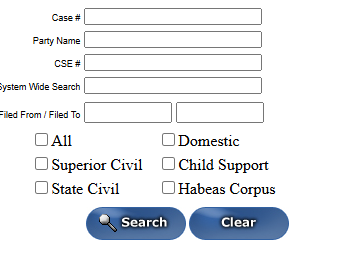
The Hall County online docket system provides public access to many court records maintained by the Clerk of Court. After opening the website, users should select Superior and State Courts and proceed to the Civil Search page. The search form allows records to be located using several different search methods depending on the information available.
Search by Case Number
Searching by case number is often the fastest and most accurate method. Each court case receives a unique case number, allowing users to locate a specific record without reviewing multiple results. This search option works well for people who already have court paperwork or previous case information.
Search by Party Name
The Party Name field helps users locate records when a case number is unavailable. Entering a person’s name or business name allows the system to display matching court records connected to that party. This search option is commonly used for civil cases, domestic matters, and other public judicial records.
Search by CSE Number
The CSE field provides another way to locate court records using a court-assigned reference number. Users who have this number can enter it directly into the search form to narrow results and locate the appropriate court file more quickly.
System Wide Search
The System Wide Search field helps users perform a broader search across available records within the court system. This option can be useful when only limited information is available or when a user needs to search multiple records that may not appear through a standard name search.
Search by Filing Date
The filing date search option allows records to be filtered by a specific date range. Users can enter a start date and end date to locate cases filed during a particular period. This method is often helpful for record research, case verification, and locating recently filed court matters.
Available Record Categories
The search tool includes optional record type filters that help narrow search results. Users may leave all options unchecked for a broader search or select a specific category when searching for a particular type of case maintained by the Clerk of Court.
- All
- Superior Civil
- State Civil
- Domestic
- Child Support
- Habeas Corpus
Viewing Search Results
After entering available search information, users can click the Search button to view matching records. The results page may contain court case details, filing information, docket activity, case status updates, and other public judicial records available through the Hall County court system.
Types of Records Maintained by the Clerk of Court
The Hall County Clerk of Court manages various court documents that serve as the official history of the community. These public records provide a way for people to verify property rights, legal outcomes, and criminal history. The office acts as a library for all legal filings related to the local justice system. By keeping these judicial documents organized, the clerk helps residents search for information needed for personal or professional reasons. The court records stay preserved to ensure that no one can change the outcome of a case after a judge makes a ruling.
Civil Case Records
The clerk keeps legal filings for disputes between two parties involving money or property. Since disputes arise often, these case files track lawsuits like unpaid bills and contract breaches. Once lawyers file the papers, residents search these judicial records to verify the results of past legal fights. The legal archives hold every motion and order filed during the life of a case. So the process remains fair, this court documentation stays open for public review. After a trial ends, the office protects these records for many years.
Criminal Case Records
Every major crime from an arrest to the final verdict appears in these court documents. As the office holds judicial documents for felony charges, it tracks the law violations of the county. Once the state filing happens, these public records list the specific laws broken and the final punishment. The legal archives act as a permanent memory of the local justice system. So people stay safe, they check these court records for background checks. After a judge rules, this court documentation keeps the public informed about local safety.
Probate Records
The clerk manages judicial records that deal with the property of people who passed away. Since land ownership is important, these legal filings include original wills and the naming of estate leaders. Once a person dies, the case files show how a judge decided to distribute money or land. As the clerk keeps the legal archives organized, residents use these public records to settle family history questions. So no one fights over a house, these judicial documents prove who owns the land. After the case closes, the papers remain public.
Family Court Records
These court documents record life events like divorce, name changes, and custody battles. Since these legal filings contain personal details, the office keeps the files in a safe place. Once a couple splits, these judicial records set the rules for child support and visitation rights. Though the public records show the final decree, some parts stay private to keep children safe. So people can prove their legal name, the legal archives offer a clear path to get copies. After the judge signs the order, these case files provide the proof needed.
Traffic Court Records
Drivers find records of road rule violations and speeding tickets within these court documents. Since police issue many tickets, these judicial documents track every citation from the start to the fine payment. Once the court receives a ticket, the legal filings show if a driver missed a date. As the state monitors safety, this court documentation helps track who follows the road laws. So insurance stays correct, neighbors check these public records to clear up mistakes. After a fine is paid, the case files stay updated to show the case ends.
Services Offered by the Hall County Clerk of Court
The Hall County Clerk of Court provides many Clerk of Court Services that keep the local justice system moving forward every day. These tasks include managing every paper filed and helping residents find the legal documents they need for personal business.
Court Record Management
The office handles record management by organizing thousands of legal papers every single day. Since every case creates new files, the staff puts every document in the right spot for safety. As the keeper of the history, the clerk protects the safety of these files for many years. The court calendar is also carefully maintained to track hearings, trial dates, and scheduled proceedings, ensuring everything stays organized and up to date. Once a judge finishes a case, the file moves to the storage area for long-term care. This records administration work keeps the county history safe for the public. So people can trust the system, the clerk keeps the files clean and organized.
- Secure file storage and retrieval
- Protection of historical archives
- Organization of digital and paper files
Document Filing Services
Lawyers and residents use the office for legal filings to start new court cases or finish old ones. If someone wants to sue or file a deed, they bring the papers here. The filing assistance team checks every page to see if it meets the court rules. Once the clerk accepts the papers, the case officially starts in the local system. After the staff stamps the date, the document processing begins for the judge to see. So the system works well, the office accepts papers in person or through the mail.
- Civil and criminal case filings
- Real estate deed recording
- Trade name and notary registrations
Certified Copies Requests
People often need Clerk of Court Services to get official proof of a divorce or a home purchase. Since many agencies need a seal, the clerk makes certified copies of original files. As the office manages the legal filings, the staff can find any file from the past. Once a person pays the small fee, they receive a paper with a raised stamp. This document processing proves the paper is real and not a fake copy. If you need to show proof to a school or bank, these copies work best.
- Certified divorce decrees
- Official property deed copies
- Verified sentencing orders for background checks
Public Information Services
The court administration team helps people find the facts they need about local court cases. As the clerk runs the court assistance desk, staff members point people to the right computer or file. Since many people do not know the system, this help makes the process much faster. After the public asks a question, the team looks through the record management system for the answer. So the community stays informed, the clerk keeps computers open for public searches. This work helps everyone see how the local government operates.
- Public terminal search assistance
- Case status lookups
- Instruction on public record searches
Court Fee Collection
Managing the money for the justice system is a big part of court administration every day. Since the law sets certain costs, the clerk collects fines and fees for every filing. Once the staff takes a payment, they put the money into the right county fund. As the office handles court assistance, they explain the different ways people can pay their tickets. If a person owes a fine, the document processing shows when the debt is paid. So the county runs well, the clerk tracks every penny that comes through.
- Collection of civil filing fees
- Traffic fine and citation payments
- Processing of restitution and court costs
Court Document Filing Procedures
The Hall County Clerk of Court manages the filing process for all local legal matters. Since every case starts with a document submission, the staff checks that every court filing meets the local rules. As residents submit legal documents, the office creates a permanent record of the action. The filing process requires people to submit legal documents directly to the clerk to initiate or update a case. This court filing makes sure that all judicial filings become part of the official record for the judge to review.
Filing Civil Cases
To start a lawsuit, people submit legal documents to the civil desk of the office. As the legal filing begins, the person pays a fee and provides a summons to notify others. Since the court needs to track the progress, this court paperwork receives a unique case number. Once the clerk accepts the judicial filings, the staff prepares the file for a judge to review. So the process stays fair, everyone follows the local rules for case submissions. After a trial ends, the office protects these records for many years.
- Submit the original petition or complaint
- Pay the required civil filing fee
- Provide a summons for each defendant
Filing Criminal Documents
The filing process for criminal matters usually begins with the local police or state lawyers. As they submit legal documents, the clerk adds every page to the history of the case. If a lawyer wants to file a motion, they bring the court forms to the criminal division. Once the document submission is complete, the staff updates the status in the computer system. Since these judicial filings involve jail time, speed remains very necessary. After the clerk stamps the court paperwork, the judge receives the new information for the next hearing.
- File motions for bond or discovery
- Submit notices of appearance for attorneys
- Record sentencing orders and plea deals
Family Court Filings
Residents use the filing process to handle personal matters like divorce or custody changes. Since these case submissions involve private lives, the clerk handles the court paperwork with care. If you need to change support, you must submit legal documents explaining the situation. Once the legal filing is done, the clerk sets a date for a hearing. As the office receives the court forms, they check that all signatures are present. So the family stays safe, the judicial filings remain organized. After signing, the judge sends the order back.
- Submit divorce petitions and settlement papers
- File for child custody or support changes
- Request name change orders for adults or minors
Probate Filings
The filing process for a will starts when a person brings the original papers to the office. As you submit legal documents for an estate, the clerk opens a new file. If there is no will, the court paperwork asks the judge to name a leader. Once the judicial filings are accepted, the news often appears in the local paper for heirs. Since money is at stake, these case submissions must be accurate. After the legal filing finishes, the clerk keeps the files for the public to view later.
- File the original last will and testament
- Submit petitions for letters of administration
- Record inventory lists for estate assets
Required Documentation
Every court filing requires certain items before the clerk accepts the document submission. Since rules vary by case, check which court forms are needed for your specific goal. As you prepare the court paperwork, make sure to include the fee or a waiver. Once you have the judicial filings ready, bring the original and several copies for the staff. If any pages are missing, the legal filing might get sent back. So the process goes well, check every signature. After that, the clerk finishes the task for you.
- Original documents with wet signatures
- Correct number of copies for all parties
- Valid photo identification for notary acts
- Payment for filing fees or a court-approved waiver
Filing Fees and Court Costs
The Hall County Clerk of Court collects filing fees to cover the expense of processing legal documents and managing court cases. These court costs vary depending on the type of case filed and the services requested by the parties. Since the law sets these rates, the office provides a clear list of all filing charges for the public. As residents prepare their paperwork, they should verify the current payment options available through the office staff.
Common Filing Fees
The clerk collects these funds to support the operations of the local justice department. Since every new case requires staff time, these charges help the office stay organized and ready. As a person begins a lawsuit, they should check the current list of costs at the counter. If the paperwork is not ready, the staff cannot accept the money or the documents. Once the payment is made, the case officially enters the court system. So the county runs well, these funds go into the treasury. After the filing, the staff provides a receipt.
- General Civil Case Filing: $214.00
- Sheriff Service of Process: $50.00
- Notary Public Commission: $51.00
- Trade Name Registration: $172.00
- Recording Real Estate Deeds: $25.00
- Certified Copy (First Page): $2.50
Payment Methods
The office provides several ways for people to pay their legal bills without any trouble. As residents arrive at the front window, they can use cash or a money order for most transactions. Since personal checks often cause issues with processing, the office usually refuses them for court filings. If someone prefers to use a credit card, a small service fee might apply to the total. Once the clerk swipes the card, the system prints a receipt for the records. So people can stay home, some fines are payable through the online portal.
Fee Waivers
There are times when a resident cannot pay the full amount based on their financial status. Since the law keeps courts open for all, parties can ask for a special waiver from the judge. As a person fills out a Pauper’s Affidavit, they must show proof of their income and monthly bills. If the judge agrees with the request, they sign an order to remove the costs. Once the clerk receives this signed paper, they file the documents for free. So the process stays fair, this path helps people in need.
Additional Court Costs
Some cases require more work than just filing the initial papers at the start of a lawsuit. As a case moves forward, a party might need the sheriff to deliver papers to another person. Since this takes time and gas, the county adds a service charge to the official case file. If a resident needs a certified copy of a final judge’s order, the clerk charges a fee for the stamp. Once the party pays these extra costs, the staff provides the documents. So people know the total, they ask for an itemized list.
Certified Copies and Legal Documents
Residents obtain certified copies of legal documents to prove the final results of their court cases. These official records act as protected evidence for banks, schools, and government agencies. By requesting court-certified copies, people ensure they have the exact proof needed for their personal business. The Hall County Clerk of Court provides certified copies of legal documents to serve as verified proof of court actions. These official records carry a special seal to confirm they match the original files held by the office.
What Are Certified Copies?
Certified copies are official duplicates of legal documents that contain a special stamp from the clerk. Since these court-certified copies are verified, they prove that the paper is a true match to the original file. As residents need proof of divorce or property ownership, these authenticated records act as the primary evidence for banks and agencies. Once the clerk applies the raised seal, the paper becomes certified documentation that other offices accept. So the public can trust the files, only the clerk issues these official court copies. After the seal is set, the paper is legally binding for any official business.
How to Request Certified Records
To get certified copies, a person visits the office or sends a request through the mail. Since the staff needs to find the correct legal documents, providing a case number helps speed up the search. As you ask for official records, the clerk looks through the archives to pull the specific file. If you live far away, the online portal allows for digital orders of certain authenticated records. Once the staff finds the file, they print the pages for the stamp. So the process moves fast, bring a valid ID and case details.
- Provide the full name of the parties on the file.
- Include the specific case number or deed book page.
- Submit the payment for the search and the stamp.
Processing Times
Most people receive their certified copies of legal documents within minutes when they visit the office in person. Since the staff works at the counter, they can print and seal official records while you wait at the window. If you submit a request through the mail or the online portal, the staff usually finishes the task within two business days. As older files from decades ago take longer to find, these might require up to five business days for a full search. Once the clerk finishes the work, they send out the court-certified copies.
- In-Person Requests: Same day (usually 10–20 minutes).
- Online/Mail Requests: 1–2 business days for processing.
- Archived Records: 3–5 business days.
Associated Fees
The cost for certified copies of legal documents follows the state laws for official records. Since the clerk must use special paper and stamps, these authenticated records require a small payment for each page. As you ask for court-certified copies, the staff calculates the total cost based on the length of the case file. If you need many pages, the price goes up for the certified documentation. Once the fee is paid, you receive your official court copies with the permanent seal. After the transaction, the clerk updates the receipt for your records.
- Certified Copy (First Page): $2.50
- Each Additional Page: $1.00
- Exemplified Copy: $15.00
- Search Fee: $2.50 per year (for older records).
Public Record Entry and Viewing
Hall County maintains public court records to support court transparency and community trust. These reachable records allow people to see legal proceedings and local government actions easily. By offering open records, the clerk makes sure the justice system remains accountable to the public. People can see public court records by visiting the clerk’s office or using the online search tool. These open records provide record availability for civil, criminal, and property files to ensure court transparency.
Publicly Available Records
Most files kept by the clerk are public court records that anyone can see. Since the law favors court transparency, people can look at civil lawsuits, property deeds, and criminal cases. As you search the database, you find public information about how judges rule on local matters. If you need to see a specific file, visit the office for record availability. Once the clerk finds the file, you can read the documents or pay for copies. So the community stays informed, these reachable records stay open for review.
Restricted Records
Not every file in the office is part of the public court records system. Since some cases involve children or sensitive safety matters, the law limits the public viewing of those files. As the clerk follows strict state laws, certain judicial records stay locked away from the public eye. If a judge signs an order to seal a case, the record availability for that file ends immediately. Once a file becomes restricted, the open records remain hidden. So children stay protected, the files stay private. After the court seals a file, no one can see it.
Privacy and Confidentiality Rules
The clerk follows clear rules to protect private data within public court records. Since many reachable records contain social security numbers or bank details, the staff hides that data for safety. As you look at public information, you will see that private numbers are often blacked out. If a document contains too much private info, the clerk limits the public viewing to prevent identity theft. Once the staff checks the file, they make the safe parts available for court transparency. After the review, the papers stay safe for everyone to search.
- Social security numbers are hidden from view.
- Bank account and credit card details stay private.
- Juvenile names remain protected in criminal files.
- Medical records stay sealed to protect the parties.
Current Hall County Clerk of Court
Charles Baker is the Current Hall County Clerk of Court, serving as the primary leader for the local public records office. This elected court official manages the daily operations and court administration for the entire county legal system. By holding this office, he ensures that all legal papers stay safe and easy to find for every resident.
Who Is the Current Hall County Clerk of Court?
Charles Baker is the person currently serving in this elected role for Hall County. He manages the official records and daily tasks for the local superior and state courts. Charles Baker holds the position of Current Hall County Clerk of Court after winning the local election. As the elected court official, he oversees the storage of millions of pages of local history and files. This clerk office representative works with judges and law enforcement to keep the legal system moving. Since he is a judicial administrator, he manages the budget and staff for the local courthouse. Once his term began, he focused on making the public records office easier for everyone to search.
Key Responsibilities
The clerk manages the intake of legal filings and keeps the court schedule organized for judges and lawyers. This role ensures that every document is stored correctly and stays available for public viewing. The Current Hall County Clerk of Court acts as the lead records custodian for all local judicial records. Since the office is the backbone of the legal system, he oversees court administration for civil and criminal divisions. As the current court clerk, he manages the processing of passports and trade names for local business owners. If you file a new lawsuit, his staff handles the intake and storage of those papers. Once the work is done, he ensures the files remain available for many years.
Hall County Clerk of Court Contact Information
People use the Hall County Clerk of Court Contact details to reach the right department for their legal needs. The staff provides several ways to connect through the main court office or the official phone lines.nFinding the correct clerk office contact helps questions about filings or records get answered quickly. The office maintains a central location in Gainesville to help all residents with their judicial business. This central hub makes sure that every legal document stays in one safe place for the public to find.
Office Location
The main court office sits inside the Hall County Courthouse in the heart of Gainesville. Since the building is a major landmark, most residents find the courthouse information by looking for the Green Street address. Once people arrive, the clerk’s counters are easy to spot on the main floors. As the office serves many people, the staff keeps the lobby organized for a fast visit. If someone needs an exact department, the building directory lists the room numbers. When people enter, the help desk can point the way.
Phone Numbers
The best Hall County Clerk of Court Contact for general questions is the main office line at (770) 531-7025. As people call this number, the staff can transfer them to specific desks like civil or criminal. Since many people call daily, residents might wait a few moments for a clerk office contact representative to answer. If a person has a case number ready, the process moves much faster for everyone. Once callers reach the right person, the staff provides the courthouse information needed for the file.
Office Hours
The court office stays open from Monday through Friday to assist the public with their legal filings. As the staff works a standard schedule, the doors open at 8:00 AM and close at 5:00 PM daily. Since the office follows the county holiday calendar, it closes for major state and federal breaks. If a resident arrives near the end of the day, they should finish their tasks before the final cutoff. Once the office closes, people can still use the online portal for some searches. After hours, the physical window remains closed.
Mailing Address
People send their legal paperwork and requests to the official clerk office contact address in Gainesville. As residents prepare their envelope, they address it to P.O. Box 1275, Gainesville, GA 30503. Since the staff sorts many letters, labeling the envelope with the exact department helps avoid any delays. Once the mail arrives at the court office, the team processes the paperwork in the order they receive it. If a person needs a receipt, they include a return envelope. When the clerk finishes, they mail documents back.
Visitor Information
As residents plan their trip, the courthouse information suggests that all visitors must pass through a security check. Since the building holds key trials, weapons and certain electronics are not allowed inside the court office. If a person needs to pay a fine, they bring a valid ID and a form of payment accepted by the staff. Once visitors clear security, they follow the signs to the clerk’s window for their specific case type. So the visit goes well, people arrive early to avoid the midday rush. After the visit, people exit the main lobby.
| Contact Method | Detail |
| Physical Address | 225 Green St SE, Gainesville, GA 30501 |
| Mailing Address | P.O. Box 1275, Gainesville, GA 30503 |
| Main Phone | (770) 531-7025 |
| Standard Hours | Mon-Fri: 8:00 AM – 5:00 PM |
Frequently Asked Questions
Residents often have many court records questions about how the local justice system works. This list of answers helps people find clerk services and finish their filing questions without any delay. The office maintains a massive collection of paperwork to keep the county running smoothly every day.
What does the Hall County Clerk of Court do?
The office manages the storage of legal papers and keeps the judicial schedule running. This department acts as the primary home for every document filed in the local courts. The staff processes new cases and updates the history of old ones every day. Since the clerk is a records keeper, the team protects property deeds and criminal files. Once a judge makes a ruling, the staff records the result for the public. If you need a notary seal, this office provides those tasks. The team helps the system stay organized.
How can I search court records?
People search for files using computers at the courthouse or an online database. These court records questions help residents research property or check background info. When a person visits, the staff helps them find a terminal in the lobby. Since most files are public, anyone can look up a name. Once the system finds the file, the user reads the documents for free. If the record is old, it might be in the archives. The staff assists in bringing the paper file to the counter.
Can I get certified copies of court papers?
A certified copy is a duplicate with a raised seal that proves it is real. Residents obtain these clerk services to show proof of a divorce or home purchase to banks. As you request a file, the staff finds the original and makes a copy. Since the seal is official, the clerk stamps the page with a mark. Once you pay the fee, you receive the paper at the window. If you are far away, you order these through the mail. The staff sends the stamped papers back to your home.
How much are the filing fees for a new case?
Filing fees vary by case type, with civil suits starting at two hundred and fourteen dollars. These filing questions help people prepare the right amount of money for their legal needs. The price list stays posted at the front window for everyone to see. As you bring in papers, the staff calculates the total for you. Once you pay, the filing moves forward into the system. If you cannot pay, you might qualify for a waiver. The clerk provides a receipt for every dollar spent at the office.
Is it possible to see case files through the internet?
Many local files remain available through a web portal for public search. This tool makes it easy to find clerk services from your own home computer. As the office updates the system, new filings appear in the search tool right away. Since the database is large, you search by name or case number. Once you find the file, you view the docket and events. If you need a copy, the site offers ways to pay. This digital tool keeps the courthouse from getting crowded.